Stunning Photography Tips for Capturing Lupins in Mackenzie Country
The Mackenzie Country in New Zealand is famous for its breathtaking lupin blooms that paint the landscape with vibrant purples, pinks, and blues. For photographers and travelers alike, capturing these flowers in their full glory offers a rewarding challenge. This guide shares practical photography tips, the best times to visit, and popular locations like Lake Tekapo to help you create stunning images of lupins.

Best Time to Photograph Lupins in Mackenzie Country
Timing is crucial when photographing lupins. These flowers typically bloom from late November through early January, with peak bloom often occurring in December. The exact timing can vary depending on the season’s weather, so checking local bloom reports or recent photos online can help you plan your visit.
Ideal Time of Day for Photography
Early Morning: Soft light and fewer visitors make early morning a perfect time. The low sun angle creates long shadows and highlights the texture of the flowers.
Golden Hour: The hour before sunset bathes the lupins in warm, golden light, enhancing their colors and adding depth to your photos.
Overcast Days: Cloud cover diffuses sunlight, reducing harsh shadows and allowing the lupins’ colors to appear more saturated.
Avoid midday when the sun is overhead, as this can cause washed-out colors and harsh shadows.
Popular Locations for Lupin Photography
Mackenzie Country offers several spots where lupins flourish, but some stand out for their accessibility and scenic backgrounds.
Lake Tekapo
Lake Tekapo is the most iconic location for lupin photography in the region. The lupins grow along the lake’s shores, creating a striking contrast with the turquoise water and snow-capped mountains. The Church of the Good Shepherd nearby adds a unique architectural element to your shots.
Tips for Lake Tekapo:
- Arrive early to avoid crowds.
- Use a wide-angle lens to capture the lake, lupins, and mountains in one frame.
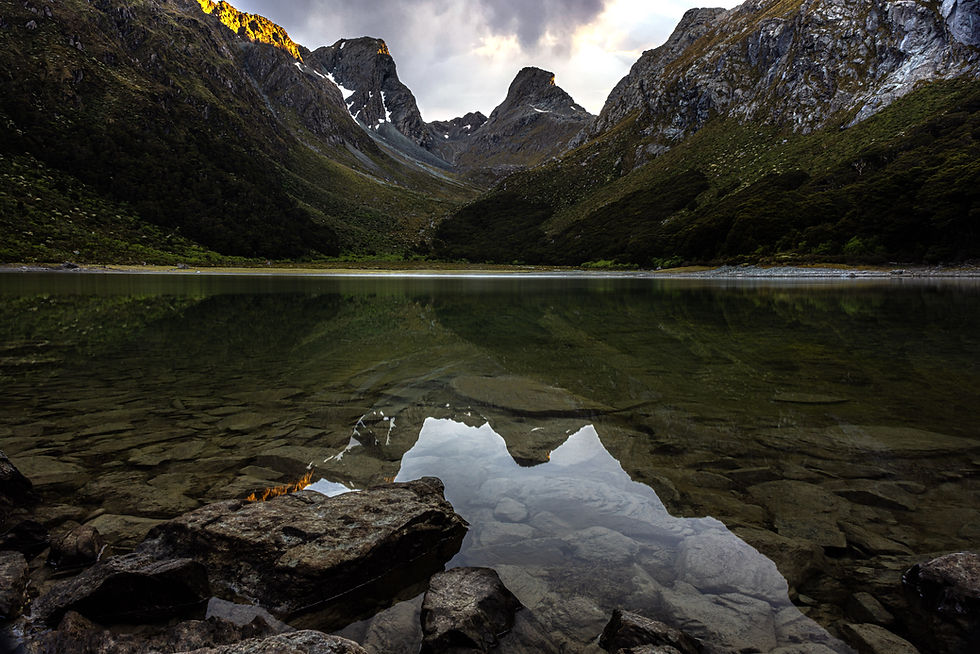
- Experiment with reflections on the lake’s surface during calm weather.
Twizel and Surrounding Areas
Twizel, a small town near Mackenzie Country, offers quieter lupin fields with fewer tourists. The open plains and distant mountain ranges provide a vast backdrop for lupin photography.
Tips for Twizel:
- Scout for lupin patches along country roads.
- Use a telephoto lens to isolate flower clusters against the landscape.
- Capture lupins with grazing sheep or cattle for added interest.
Lake Pukaki
Lake Pukaki’s lupins bloom along the shoreline with the Southern Alps in the distance. The lake’s intense blue water complements the lupins’ colors beautifully.
Tips for Lake Pukaki:
- Visit during sunrise for dramatic light on the mountains.
- Use a tripod for long exposures if you want to smooth the lake’s surface.
- Include lupins in the foreground with Mount Cook in the background.

Photography Techniques for Capturing Lupins
Composition Tips
Rule of Thirds: Position lupin clusters off-center to create balanced and engaging images.
Leading Lines: Use paths, fences, or rows of lupins to guide the viewer’s eye through the photo.
Foreground Interest: Include close-up lupins in the foreground with scenic backgrounds for depth.
Frame Within a Frame: Use natural elements like tree branches or rocks to frame your lupin shots.
Camera Settings
Aperture: Use a wide aperture (f/2.8 to f/5.6) for shallow depth of field to isolate flowers or a narrow aperture (f/11 to f/16) for sharp landscapes.
ISO: Keep ISO low (100-200) to maintain image quality.
Shutter Speed: Adjust shutter speed based on lighting and whether you want to freeze movement or capture motion blur (e.g., wind-blown lupins).
Focus: Use manual focus or single-point autofocus on lupin flowers to ensure sharpness.
Creative Ideas
Macro Shots: Capture the intricate details of lupin petals and textures.
Silhouettes: Shoot lupins against a colorful sunrise or sunset sky.
Reflections: Use water bodies near lupin fields to capture mirrored images.
Panorama: Stitch multiple shots to show vast lupin fields stretching into the distance.
Practical Tips for a Successful Lupin Photography Trip
Check Weather: Clear skies provide vibrant colors, but some cloud cover can add mood and diffuse light.
Bring Gear: Wide-angle and macro lenses, tripod, polarizing filter, and extra batteries.
Wear Comfortable Shoes: You may walk through uneven terrain or muddy fields.
Respect Nature: Stay on paths to avoid damaging lupins and other vegetation.
Arrive Early or Late: Beat the crowds and capture the best light.
Scout Locations: Visit spots ahead of time to find the best angles and compositions.

Final Thoughts on Photographing Lupins in Mackenzie Country
Capturing the lupins in Mackenzie Country requires planning, patience, and a bit of creativity. By visiting popular spots like Lake Tekapo at the right time and using thoughtful photography techniques, you can create images that showcase the natural beauty of these flowers and their stunning surroundings. Whether you are a seasoned photographer or a traveler with a camera, the vibrant lupins offer endless opportunities for memorable photos.

Comments